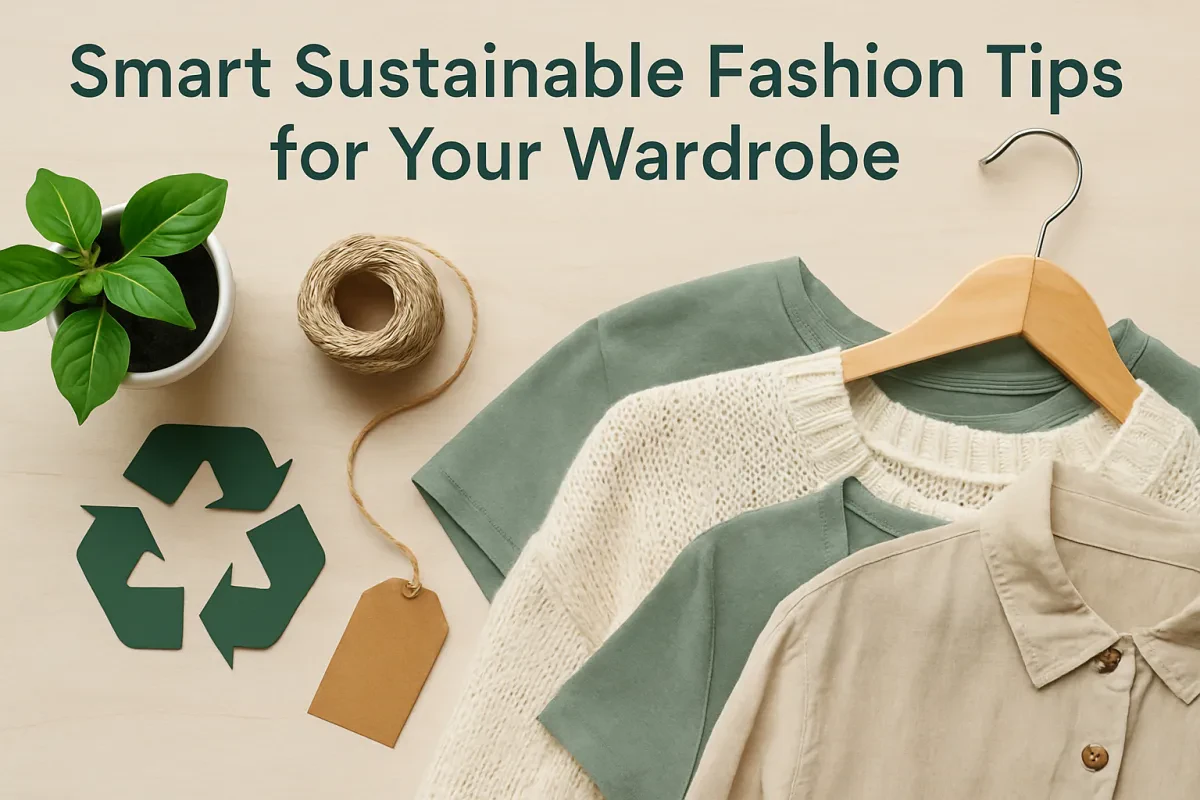
When it comes to sustainable fashion, knowing your fabrics is super important. Different materials have different impacts on the environment, so let’s break down a few key players.
Organic Cotton is a great choice. It’s grown without harmful pesticides and uses less water. Plus, it feels soft against your skin. Look for labels that say “100% organic” to be sure you’re getting the real deal.
Tencel, or lyocell, is made from sustainably sourced wood pulp. This fabric is biodegradable and uses a closed-loop process that recycles water and solvents. It’s also really breathable and feels great to wear!
Check out Hemp too! This durable fabric grows quickly and needs minimal water. It can be used for everything from shirts to jeans and gets softer with every wash. If you want something eco-friendly, hemp is a solid option.
Lastly, Recycled Polyester is made from plastic bottles and other discarded materials. Using this fabric helps reduce waste and gives a second life to things that would otherwise end up in landfills. It’s perfect for activewear and jackets!
Shop Secondhand and Vintage Finds
Shopping secondhand and vintage is one of the best ways to embrace sustainable fashion. Not only do you save money, but you also give new life to items that might otherwise go to waste. Plus, it feels like a treasure hunt! You never know what unique pieces you’ll find.
When you step into a thrift store or browse online marketplaces, keep a few things in mind:
Also, remember to measure yourself and have a tape measure handy. Vintage sizes can differ a lot from today’s sizes. It helps to know your measurements to avoid buying something that doesn’t fit.
Finally, don’t hesitate to haggle a bit! Many thrift stores and online sellers are open to negotiation, so if you see something you love but it's a bit pricey, ask if they can lower the price. It's all part of the fun of secondhand shopping!
Look for Ethical Brand Labels
When you’re diving into sustainable fashion, keep an eye out for ethical brand labels. These labels tell you a lot about how a brand operates. They help you find pieces that align with your values and ensure you’re supporting businesses that care.
Look for certifications like Fair Trade, GOTS (Global Organic Textile Standard), or B Corp. These aren’t just fancy stickers; they show that a brand meets strict guidelines for sustainability and social responsibility. Fair Trade, for example, ensures workers get fair wages and decent working conditions while promoting eco-friendly practices.
Don’t forget about local labels either! Many times, brands that produce items locally are more transparent about their materials and processes. Supporting them can lower your carbon footprint since their products usually don’t have long shipping distances.
Also, keep an eye on how brands talk about their impact. If they openly share their sustainability goals and how they’re achieving them, that’s a good sign. Brands that care will often feature their efforts on their websites or product tags. It’s all about transparency!
So, the next time you’re shopping for clothes, check for those ethical labels! They make it easier to find stylish pieces that are not only good for you but also good for the planet. When you shop wisely, you’re making a difference without sacrificing your style.
Prioritize Versatile and Timeless Styles
When it comes to sustainable fashion, picking pieces that can do it all is a smart move. Versatile and timeless styles mean less clutter in your closet and fewer purchases over time. Think about those classic pieces that you can dress up or down, no matter the occasion. A great pair of jeans or a simple dress can easily transition from day to night with just a change of accessories.
Choose wardrobe staples that don’t go out of style. Items like a tailored blazer, a solid-colored sweater, or a comfy oversized t-shirt are lifesavers. You can mix and match them with different outfits without feeling stuck in a fashion rut. This approach not only saves you money, but it's also kinder to the planet since you won’t be constantly buying new clothes.
Look for quality materials that stand the test of time. Natural fibers like organic cotton, linen, and Tencel are not only comfortable but tend to last longer. They age well and often become even softer with wear. Plus, when you invest in good materials, you’re dodging the cycle of fast fashion that creates waste and environmental harm.
Finally, keep an eye out for brands offering timeless designs with sustainable practices. Many eco-friendly labels focus on creating classic silhouettes rather than following every trend. They prioritize sustainability without sacrificing style, so you can feel good about the choices you make. Investing in these pieces means you’ll always have stylish options that remain fashionable year after year.